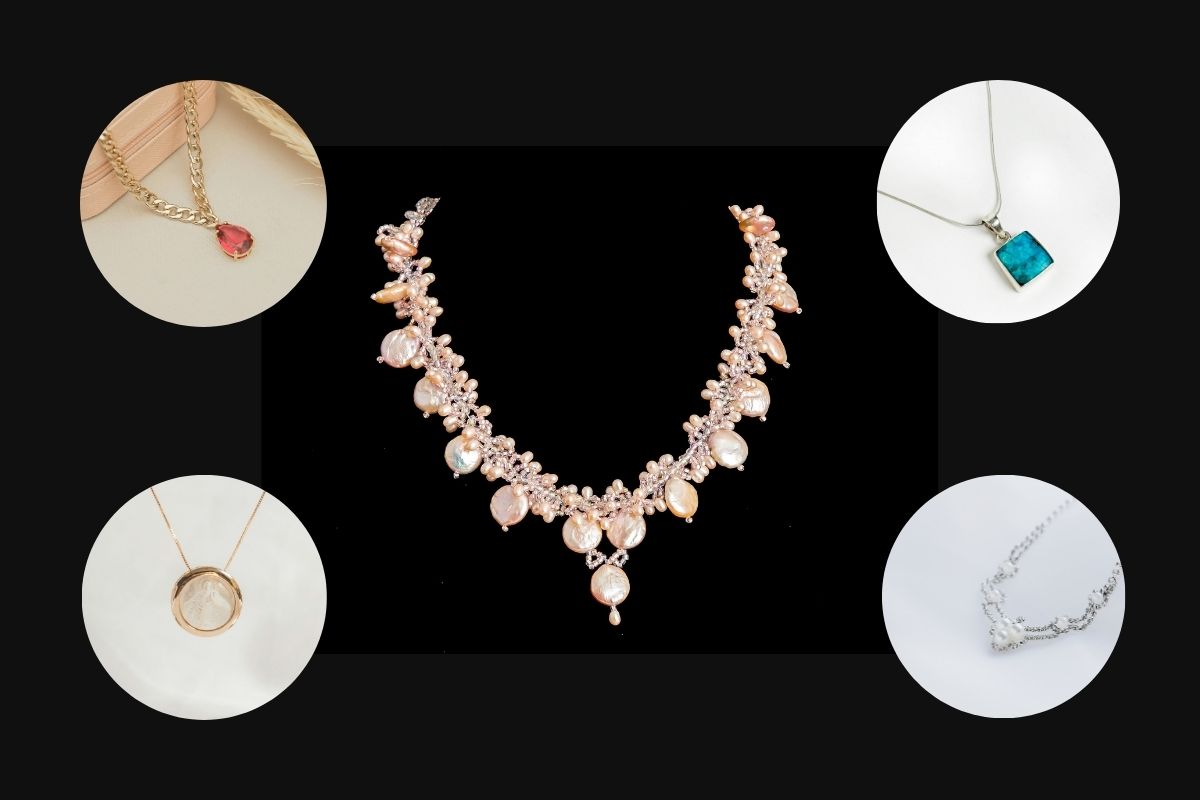
Necklace Retouching - Maintaining Precision, Consistency & Catalog Perfection
Ansu Man | Feb. 18, 2026 | Categories: Retouching | 0 comments
In the jewelry industry, presentation is everything.
While rings and bracelets require careful handling, necklaces remain the most technically demanding items to retouch. Their delicate chains, reflective surfaces, and intricate pendants demand a level of precision that goes far beyond basic background removal.
For brands managing growing product catalogs, consistent necklace imagery is not optional. It is essential.
The Unique Challenge of Necklace Images
Unlike solid jewelry pieces, necklaces present multiple technical obstacles:
- Fine chains that are difficult to clip cleanly
- Complex curves and overlapping details
- Metallic reflections that shift with light
- Visible support threads or mannequins that must be removed
- Inconsistent studio backgrounds across batches
Even slight errors in clipping or lighting can reduce perceived value.
Background Matching: Brand Consistency Across Collections
Jewelry brands often maintain reference folders of previously retouched images. When new products are added, backgrounds must match precisely.
Professional retouching teams ensure:
- Exact color replication
- Uniform tonal balance
- Clean, distraction-free presentation
- Seamless consistency across old and new SKUs
This ensures that customers scrolling through a category page see a cohesive brand, not a patchwork of different lighting setups.
Natural Drop Shadows: Depth Without Distraction
Flat jewelry images lack dimension. A subtle, well-crafted drop shadow adds realism and depth.
However, shadows must:
- Follow the product’s shape
- Match light direction
- Remain soft and natural
- Avoid overpowering fine details
Each necklace requires a custom shadow, not a generic template.
Alignment Within Frame: The Invisible Detail That Matters
Consistency in placement dramatically affects how professional a jewelry catalog appears.
Expert retouching teams:
- Center necklaces precisely
- Standardize vertical positioning
- Balance pendant placement
- Maintain equal margins
When alignment is uniform, product grids look clean, organized, and trustworthy.
Why Expertise Matters
AI tools may remove backgrounds quickly, but they struggle with:
- Ultra-fine chain details
- Reflective metal edges
- Transparent gemstones
- Consistent catalog alignment
Jewelry brands that prioritize visual excellence rely on skilled manual retouching to preserve product integrity while enhancing presentation.
The Professional Workflow Behind High-End Necklace Retouching
Behind every polished jewelry image lies a structured process:
- Manual clipping and masking at high magnification
- Dust and reflection cleanup
- Metal tone and gemstone enhancement
- Background color standardization
- Natural shadow construction
- Precise frame alignment
- Multi-level quality control review
Necklace retouching is meticulous work. Automation alone cannot deliver the precision required for luxury presentation.
Elevating Your Jewelry Catalog
For jewelry brands sending folders of rings, bracelets, and necklaces, especially when reference images and background consistency matter, jewelry retouching ensures:
- Cohesive branding
- Enhanced product appeal
- Accurate representation
- Stronger conversion potential
Necklaces, in particular, demand care, patience, and precision. When retouched correctly, they don’t just look clean, they look premium as well.